Blue Blubber Jellyfish (Blue Cannonball) – Catostylus mosaicus
 Reward Points
You will earn 59 Points
 Free Delivery
On dry goods over £100
 Price Match Promise
We will beat any competitor
 Speak to an expert
01446 737210
 Visit our showroom
Feel free to visit us!
Blue Blubber Jellyfish – Catostylus mosaicus
A Spectacular Living Ocean Display
Create a captivating underwater display with the Blue Blubber Jellyfish (Catostylus mosaicus), also known in the marine aquarium trade as the Blue Cannonball Jellyfish.
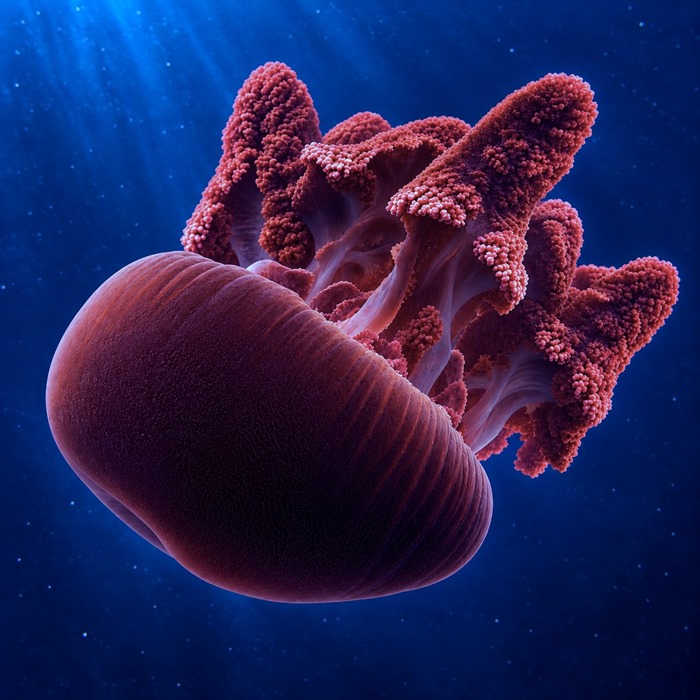
With its beautifully rounded, blue-tinted bell, distinctive textured oral arms and mesmerising swimming movements, this extraordinary jellyfish is a remarkable centrepiece for a dedicated jellyfish aquarium.
Unlike species with long trailing tentacles, the Blue Blubber Jellyfish has a compact appearance, with eight fleshy oral arms beneath its bell. Its colours can range from delicate pale blue to deeper blue, cream and brown, making each individual fascinating to observe.
Natural Habitat & Behaviour
Native to Australian coastal waters, Catostylus mosaicus inhabits sheltered bays, estuaries, harbours and open coastal environments.
In the wild, these jellyfish can form impressive aggregations, creating spectacular displays as hundreds of individuals pulse through the water.
Their rhythmic swimming is produced by repeated contractions of the bell, propelling them gently through the water column.
Aquarium Care
The Blue Blubber Jellyfish requires a dedicated kreisel-style aquarium or another appropriately designed jellyfish system.
Continuous, carefully controlled circulation helps keep the jellyfish suspended while preventing contact with exposed pumps, sharp surfaces and damaging suction points.
A smooth, unobstructed swimming environment is essential. As this species can grow considerably larger than many commonly kept jellyfish, adequate swimming space is particularly important.
These jellyfish are best suited to aquarists with suitable specialist equipment and an understanding of jellyfish husbandry.
Feeding & Nutrition
Blue Blubber Jellyfish feed naturally on zooplankton, including small crustaceans and planktonic larvae, which they capture using specialised stinging cells along their oral arms.
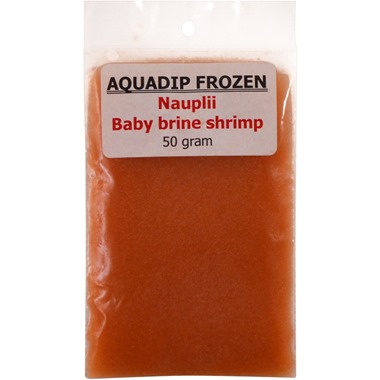
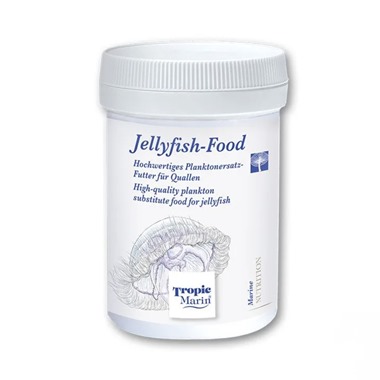
In captivity, offer appropriately sized planktonic foods such as enriched Artemia nauplii and suitable marine zooplankton preparations.
Regular feeding is important for maintaining healthy growth and condition. Care should also be taken to remove excess food and maintain excellent water quality.
Compatibility & Handling
This species should be housed in a dedicated jellyfish aquarium rather than a conventional mixed reef or community fish tank.
Although its sting is generally considered mild to humans, direct handling should be avoided to protect both the jellyfish and aquarist.
Why Choose the Blue Blubber Jellyfish?
Few aquarium inhabitants offer the same combination of unusual beauty, graceful movement and visual impact.
Its distinctive rounded bell, attractive blue colouration and continuous pulsing create a relaxing, almost hypnotic display that is unlike anything found in a traditional marine aquarium.
For enthusiasts equipped with a suitable jellyfish system, Catostylus mosaicus is a truly extraordinary animal to observe and appreciate.
Discover the captivating Blue Blubber Jellyfish at Rock ’N’ Critters – bring the extraordinary beauty of the ocean into your home!