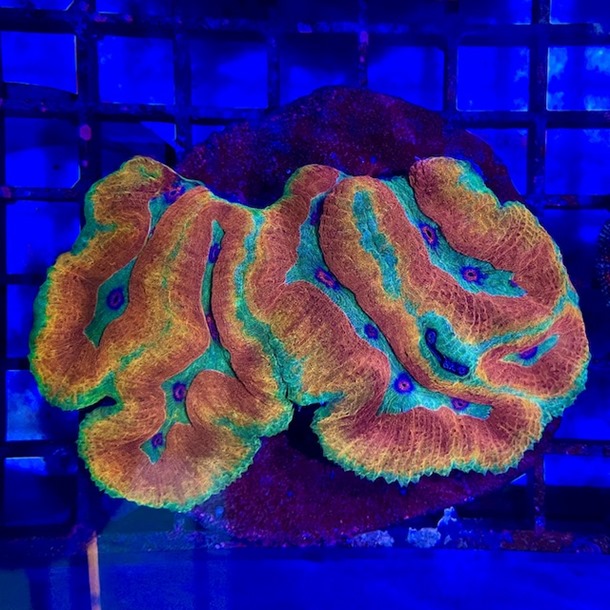
If you were to ask our customers what they love most about Rock 'N' Critters, we'd bet that more than a few would cite our enormous range of marine corals.
If you were to ask our customers what they love most about Rock 'N' Critters, we'd bet that more than a few would cite our enormous range of marine corals.
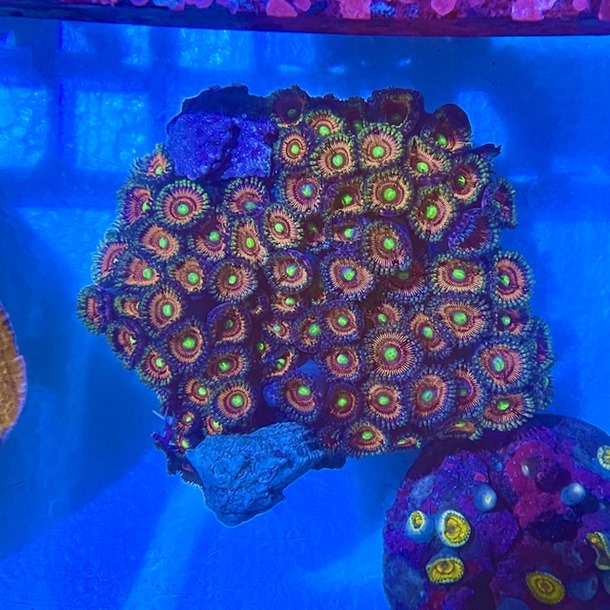
Introducing a coral colony to your marine aquarium is a fantastic way to add a colourful new dimension to the tank. Many fish have a symbiotic relationship with coral, so incorporating a colony into your marine ecosystem may benefit the other inhabitants of your aquarium as well!
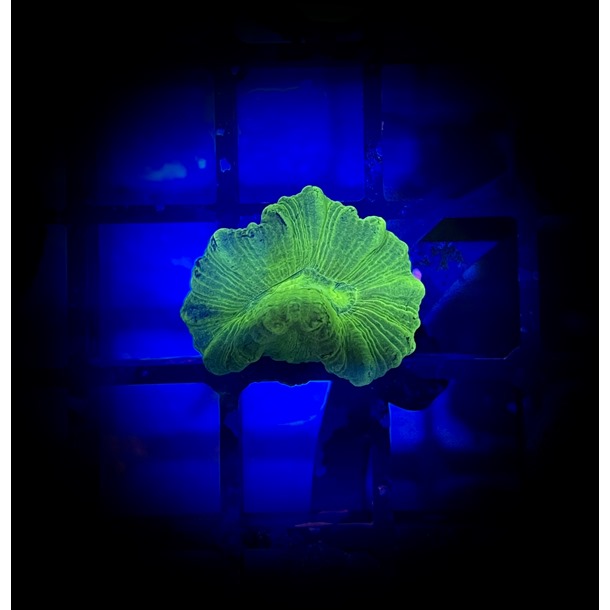
Watching a small piece of coral grow into a large colony is one of the most enjoyable parts of managing your very own reef.
Coral fragments can be cut from an existing colony using a pair of coral cutters, but if you'd prefer not to do this yourself, you'll be pleased to learn that we sell a colourful range of coral frags here at Rock 'N' Critters!
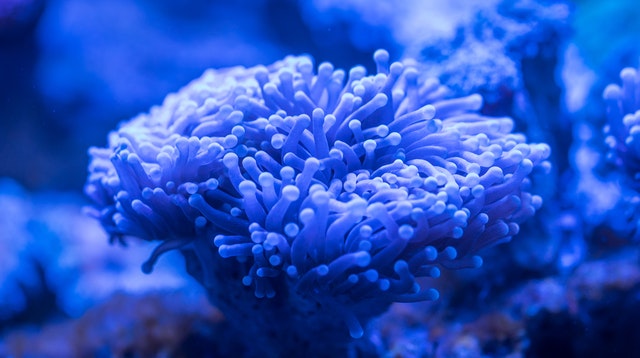
There are thousands of different coral species on planet Earth, but broadly speaking, they can be sorted into three different categories:
Read on to learn about the differences between these three coral types.
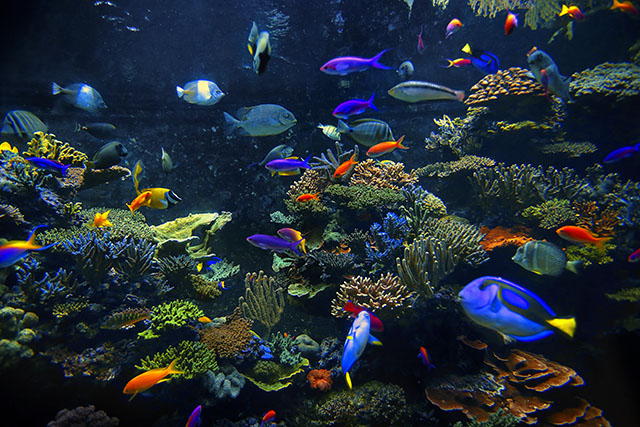
If you've gone to the trouble of buying all the right equipment and setting up your very own saltwater aquarium, you're probably keen to adopt lots and lots of fish. Most marine aquatics enthusiasts want their tanks to be as lively and as colourful as possible!
However, it's important not too put too many fish in one tank. An overcrowded aquarium is likely to have a lot of problems, including:
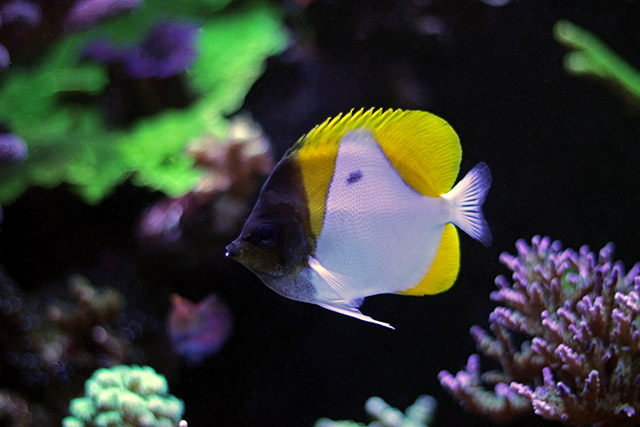
Just like humans, fish sometimes get ill. There are all sorts of diseases that can affect the inhabitants of your marine aquarium, and some are more dangerous than others.
In today's blog post, we're going to look at some of the most common marine fish diseases and the tell-tale symptoms that give them away. When it comes to treating sick fish, different diseases require different approaches, but remember the old saying: an ounce of prevention is worth a pound of cure. Keeping your tank clean and ensuring that your filter remains in good working order will give your fish the best possible chance of staying healthy and disease-free.