Welcome to the Rock 'N' Critters blog!

This is where you'll find all of our latest updates, as well as insights from our marine aquarium experts. If there's a topic you'd like to see us cover in a future blog post, please feel free to get in touch!

We are frequently asked about how to successfully keep jellyfish as pets. This post provides a quick introduction to the essential equipment required to keep jellyfish.

Jellyfish offer a rare opportunity to bring the quiet elegance of the ocean into the home. With their translucent bells, rhythmic pulsing, and ethereal glow under soft lighting, they create a living display that is both calming and captivating. Unlike traditional aquarium animals, jellyfish require a specialised environment that rewards careful setup and attentive care with a truly unique experience—one that feels closer to curating a living art installation than keeping a conventional pet. For aquarists seeking something distinctive, serene, and visually striking, jellyfish represent an extraordinary blend of natural beauty, scientific fascination, and refined aquatic design.

Equipment

  • Aquarium - Jellyfish require a kreisel style aquarium, which creates a circular, laminar flow current that keeps them gently suspended thus preventing them from getting stuck to surfaces, getting trapped in corners or stuck to filtration intakes. A rectangular aquarium won’t work because jellyfish will sink, get trapped in corners, or get damaged by filtration intakes. The TMC Kreisel Aquariums are the ideal jellyfish aquariums for beginners and expert jellyfish keepers, available in 10L and 15L models. These aquariums come complete with LED lighting and filtration in built.

  • Salt Water - Jellyfish require carefully Prepared Saltwater to thrive, as maintaining the correct salinity is essential for their health. A marine salt mix must be combined with fresh water to achieve stable, ocean-like salinity for both the initial aquarium setup and all routine water changes, ensuring consistency and minimising stress. Because evaporation causes salt to remain behind while water is lost, only fresh Reverse Osmosis (R.O) water should be used for top-ups, never saltwater, to prevent salinity from gradually rising. Using R.O water also avoids harmful impurities such as chlorine, metals, and nutrients commonly found in tap water. Sturdy food-grade Jerrycans are strongly recommended for mixing, storing, and transporting from the store both saltwater and R.O water, allowing the preparation of water in advance and perform maintenance safely and efficiently without sudden changes to water chemistry.

  • Refractometer - A Refractometer is an essential tool for accurately measuring and regularly checking the salinity of a jellyfish aquarium, as even small fluctuations can have serious effects on jellyfish health. Correct salinity supports proper osmotic balance, tissue integrity, and normal pulsing behaviour, while levels that are too high or too low can quickly cause stress, shrinking, or long-term damage. Because jellyfish are far more sensitive than most marine animals, routinely verifying salinity with a refractometer ensures a stable environment and helps prevent issues before they become harmful.

  • Live Rock - Adding a small amount of Cured Live Rock Rubble to the filtration system of a jellyfish aquarium provides valuable biological filtration without placing the jellyfish at risk. Cured live rock hosts beneficial bacteria that help break down waste products such as ammonia and nitrite, improving overall water quality and stability. When kept out of the main display area—such as in a rear chamber or sump—it enhances the aquarium’s natural filtration while avoiding sharp surfaces or obstructions that could injure the jellyfish, making it a safe and effective way to support a healthy system.

  • Food - Jellyfish require small, appropriately sized foods that they can easily capture as they drift through the water. Their diet typically consists of frozen or live Brine Shrimp Nauplii, which closely resemble the plankton they feed on in the wild and provide reliable nutrition when fed regularly. Ready-Made Dry Jellyfish Foods are also available and offer a convenient alternative, especially for daily feeding, though they may be used alongside brine shrimp for balanced nutrition. Providing the correct food in small, frequent feedings is essential to support healthy growth, strong pulsing, and overall vitality.

The equipment outlined above provides a solid foundation for anyone beginning their journey into jellyfish keeping, covering the essential tools needed to create a stable and safe environment for these delicate animals. With the right preparation and understanding, setting up a jellyfish aquarium can be both rewarding and enjoyable. Be sure to look out for our next post, where we’ll guide you step by step through the initial setup of your jellyfish aquarium and help you get started with confidence.
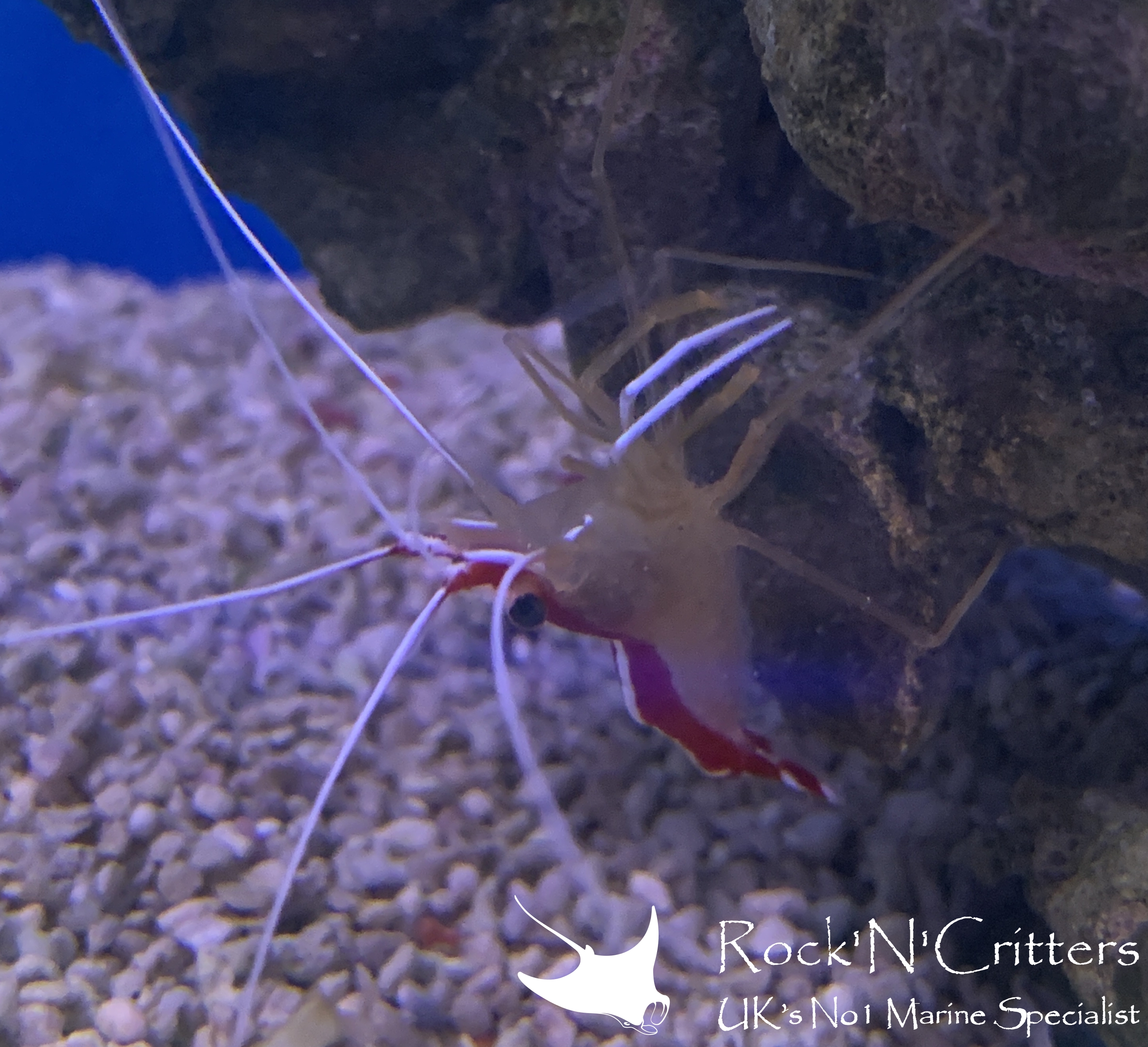
 

What is a Clean Up Crew? What does it do? Do I need one? What makes up a Clean Up Crew? Let's have a quick run through and a starter for 10 in the world of the Clean Up Crew (CuC). 

More...


Creating a marine aquarium is an exciting and rewarding endeavour that allows you to bring a piece of the ocean into your home. While it may seem like a complex task, with the right knowledge and preparation, anyone can set up a stunning marine aquarium. In this guide, we'll take you through the essential steps and equipment you'll need to create a thriving underwater ecosystem.

More...

As a hobbyist, you've probably come across the term "protein skimmer" quite often. This remarkable piece of equipment plays a crucial role in maintaining a thriving reef aquarium by efficiently removing organic waste and harmful substances. In this blog post, we will dive deep into the workings of protein skimmers, explore their numerous benefits, and learn how to fine-tune them for optimal performance.

More...

Tangs, also known as Surgeonfish, are consistently one of the favourite fish kept by hobbyists. In this brief blog post let's quickly talk about Tangs and their care requirements.

More...

How do I keep my aquarium cool in hot weather? Let's take a quick recap on some things you can do to help keep your reef cool and more importantly, at a stable temperature throughout heatwaves.

There are many things that don't go well together in this world and as aquarists one set of things I'm sure we can all agree don't go well together are heatwaves and reef tanks. Reef tanks are all about parameter stability, from nutrients to temperature we're trying our best to keep them within a set range consistently over time. Heatwaves by their very nature have the potential to cause our reef tank temperatures to fluctuate, sometimes to an extreme over a relatively small period of time which can be highly detrimental to the consistency we're trying to maintain. 

So what do we need to do? We need to manage the temperature of our aquariums throughout heatwaves to prevent any livestock losses. And how do we that? Let's look over some of the options available. 

AQUARIUM PLACEMENT

When we talk about actions we can take to combat a heatwave then really we're looking at preventative and mitigating measures. As for preventative measures, well we can't really prevent a heatwave but we can anticipate that they will happen so if you're looking at setting up an aquarium then placement is key! Keeping aquariums out of direct sunlight will help you control the temperature in the aquarium as well as help prevent algae blooms. We can also scope out the coolest part of the house where the temperature is most consistent, this is likely to be in the north east corner of your home. This part of a building will get some sun in the morning but will mostly escape the afternoon sun. 

FANS

Now onto mitigating measures, the heatwave is already underway and we want to get control of the temperature in the aquarium. We can try to increase the airflow around the aquarium and across the water surface to increase the transfer of heat although this will also increase evaporation so expect to use more water in your RO Top-Up. There are mixed reports on how successful this method is, all in all it will probably help initially but if you want to have complete and assured control over the temperature of your aquarium then we need to look at chillers. 

CHILLERS

Another mitigating measure is to install a chiller onto your system. Chillers are essentially refrigeration units which water is pumped through to cool before being returned to the aquarium. You can get chillers which manage the temperature themselves or you can attach them to temperature controllers such as the DD Temperature Controller which will automatically manage the chiller and heater based on a temperature which you set. 

You can also read about keeping your reef cool at this other RockNCritters blog here

And as always, come and see us in store and we can discuss what you can do to combat this heat plus you can see the chillers we have installed on our systems. 

It's been a busy year here at Rock N Critters, the work never stops and the list of Jobs to do never ceases. As the last blog post of 2022 I wanted to do a quick roundup of what the team have been up to. 

More...

Well we can firmly say that the festive season is well on its way now and we'll all soon be gorging ourselves on festive food and drink. What about our reefs though? Do fish and critters know it's Christmas too? Let's do a blog on things festive.

More...

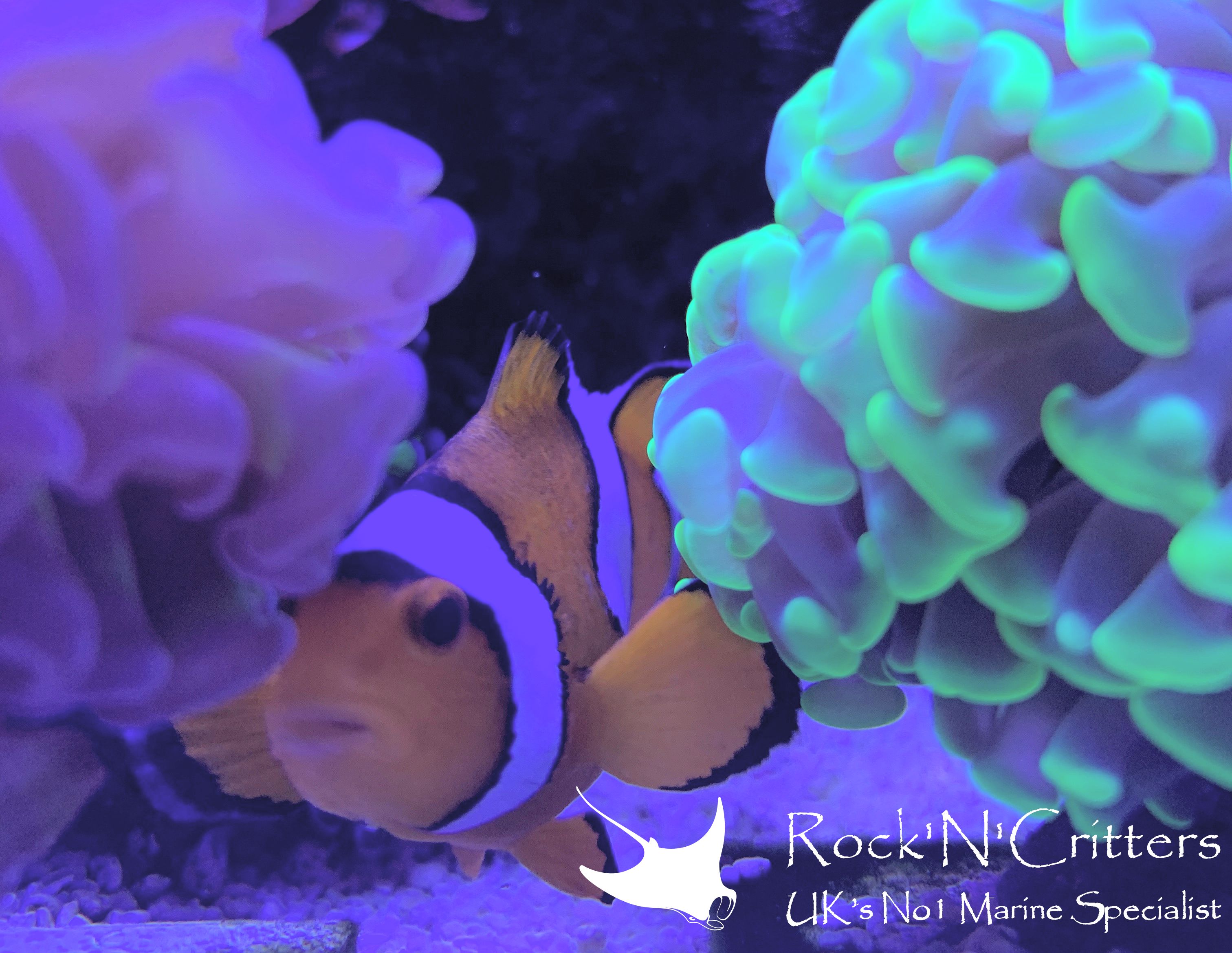
I've not written a blog on fish for quite a while so I thought I would interrupt the coral blog posts with a fish-themed submission. I also realise that so far I have neglected the main stay of marine aquariums everywhere, you know exactly what I'm talking about here and that is the Common Clownfish!

More...

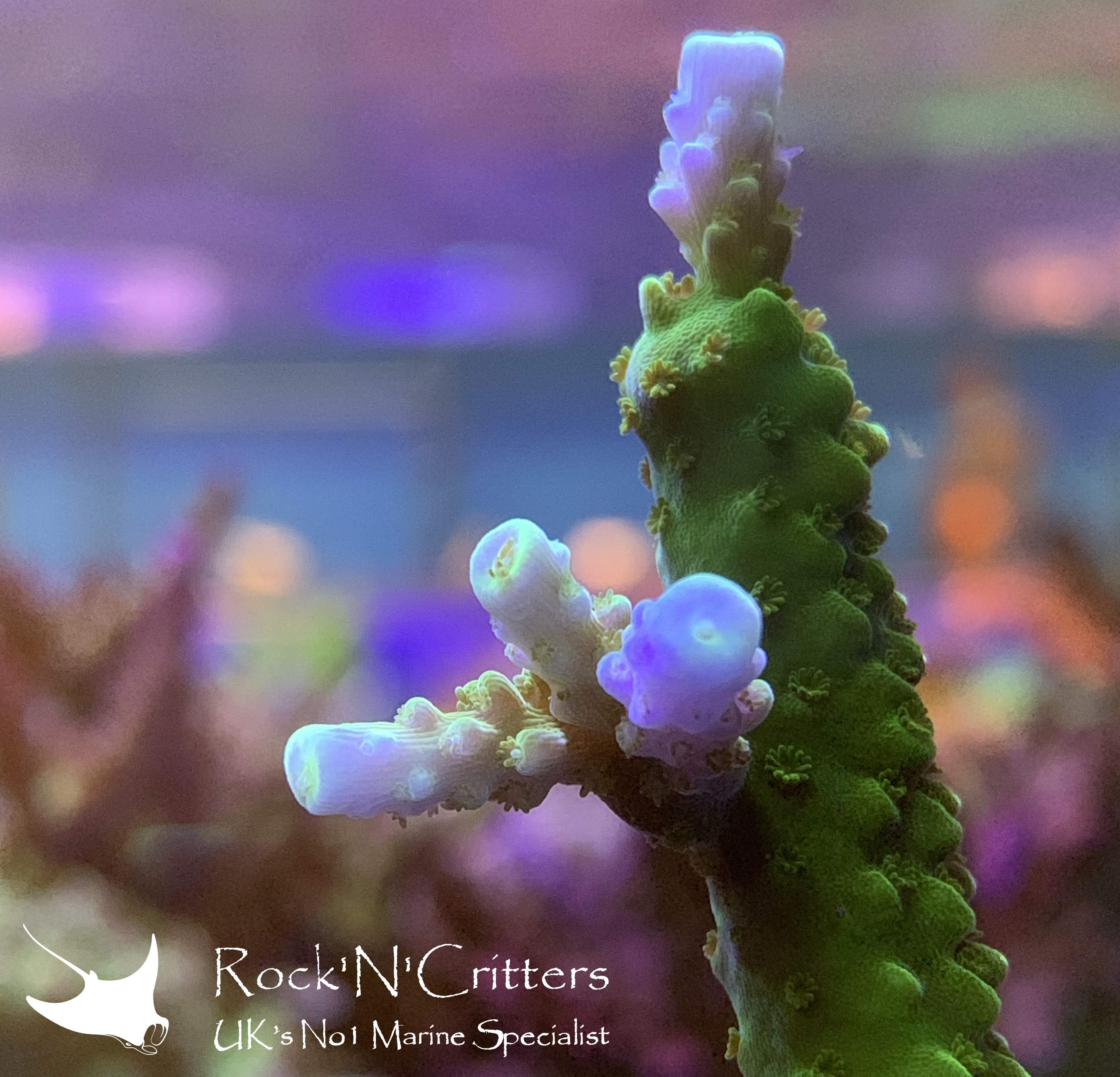
Do you want to start keeping SPS corals but not sure you're ready to jump into the deep end with them? There are more forgiving SPS corals out there which make a great start point. This blog post lists off some options for you if you find yourself getting the 'SPS bug'.

More...

Our Reward Scheme

Earn points as you spend! £1 = 1 point. Points can be redeemed against future purchases. Sign Up For An Account
Shop
Register an account on the Rock ‘N’ Critters website and order online with confidence.
Earn
Every time you make a purchase, you earn points – 1 point for every pound spent!
Redeem
The points you earn will give you money off future Rock ‘N’ Critters purchases!